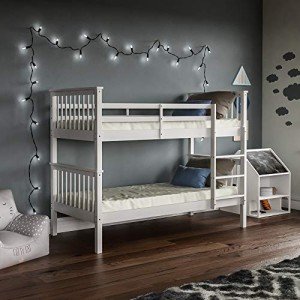
Don't Stop! 15 Things About Single Beds Bunk We're Tired Of Hearing
Single Beds Bunk Single bunk beds are a fantastic solution for institutions with a small space, like rehabilitation and youth psychiatric centers. They can also make the occupants feel more at ease and improve privacy. There are many alternatives for ladders that can be used to access the top bunk such as straight ladders that are built into the frame and staircase ladders that extend from the side. Each has pros and cons. Safety Single bunk beds are a fantastic option for rooms shared or overcrowded rooms, particularly in youth psychiatric units as well as rehabilitation centers. They enable facilities to accommodate more patients without increasing their floor space. They are also more secure than traditional single beds since they have a lower center of gravity and reduce injury risks by 25%. However, they still require specific safety measures to ensure that the beds are safe for patients to use. For one, bunk beds must have rails of protection on both sides to reduce falls during sleep. These rails should be firmly fixed to the frame and checked frequently to ensure stability. Furthermore, ladders must be secure and safe for adults and children to climb on. It is vital to follow the manufacturer's assembly instructions precisely to avoid a malfunctioning ladder that could potentially compromise bed stability or result in injuries. Bunk beds should be set away from any objects that could pose a risk, such as blinds and cords windows, blinds, or ceiling fans. In addition, they should be set away from each other so that a child cannot fall through the gap between them. To reduce the risk of falling and tripping, the space should be free of clutter. The bunk beds are for children who can safely climb to the top. They should also be taught to use the ladder every time to climb into bed, and not stand on furniture items or chair to reach the top bunk. Bunk bed manufacturers have incorporated a number of safety features that make them more secure for children. There should be at least 3.5 inch gaps between the mattress and the guardrail. This will stop children from getting their heads or legs caught between them. The ladder must also have a non-slip surface, and be attached to the bed using strong fasteners. Manufacturers may also include a nightlight and other safety measures in order to increase the security of the bed. These features, in conjunction with age-related restrictions and teaching kids proper bed-using practices can help reduce the risk of bunk beds. Space-Saving Bunk beds are great for children sharing a room, but they're also an excellent way to save space in guest bedrooms. This slim bunk bed by IKEA comes with a fold-away couch and a coffee table beneath it. It's great for studio apartments or smaller spaces. It's simple to put together and is available in a variety finishes. Another method to make a bunk bed even more space-saving is to incorporate storage into the design. This can be as simple as incorporating shelves and nooks into the lower portion of a bunk or loft bed, as in this new build on Victoria's Mornington Peninsula, designed by Nicole Fisher of BNR Interiors. Shelves are great for storing books, toys and seasonal clothes, while a desk that is tucked away can be used by kids or adults to do homework or work from home. Many of our customers purchase their bunks with the aim of converting them into single beds at some stage, whether this is to accommodate older siblings moving into their own rooms or because they're limited in space. If you're planning to do this, investing in a full-size single mattress instead of a queen or king one is a wise choice. This will make it easy to convert the beds to singles when the sharing phase is finished. It is essential to have a full-sized mattress on the bottom bunk and that it is low enough to allow adults to climb in comfortably. Typically, this means the bed must be at least 30 inches high, which is also the normal height for an Australian double mattress. This will avoid any foot or head problems for taller residents who may be uncomfortable sleeping in this position. You can choose whether your bunks are equipped with stairs or ladders, depending on your preference and the room's size. According to Fenton the stairs are “the safest and easiest to use, but they do take up more floor space.” If you opt for this option, search for a bunk that has a ladder positioned on the lower end of the bed's longer side. bed. Bunk Beds Store will allow your children the space to climb safely onto the top of the bed. Aesthetics Bunk beds are multi-purpose furniture that can maximize space and transforms the space into a place of study/work, sleep and play. They're ideal for rooms for children and dorms at colleges, and also for adult-sized spaces. Bunk beds can be paired with other bedroom furniture to create a harmonious unique appearance. A boy who is interested in adventures and sports could decorate his bed with sporting bedding and posters of his favorite athletes. Similarly, a girl with an affinity for fairy tales can adorn her bed with soft pastel curtains and hang a whimsical wall art to create a magical sleeping space. Custom-designed bunk bed railings, stairs and headboards are another way to add a touch of individuality. These pieces can be customized to match the colour scheme and can be paired with other furniture in the room, making them the focal element. Adding extra storage features to bunk beds, like pull-out drawers or trundles, will make it easier for the occupants of the bedroom to keep it clean and organized. Bunk-bed trundles are especially helpful for accommodating guests, as they're easy to pull out when needed and can be stored away when not being used. You should also select the right bunk bed for the size of your room. Twin-size mattresses are the standard for bunk beds, however full XL mattresses are available for taller adults who want more space to sprawl out in the evening. It's also a good idea to measure the dimensions of your room prior to deciding on a single-bed bunk, so you can be sure that the bed will comfortably fit in. A single-bed bunk bed can be an elegant solution for rooms that are crowded, particularly in rehabilitation and psychiatric youth units. It will allow you to accommodate more patients without increasing the size of your facility, while ensuring that each occupant is provided with enough space to rest and move about comfortably. It can also encourage occupant satisfaction by allowing them to customize their living spaces to reflect their personal preferences and preferences, thereby improving their sense of belonging and individuality. Hygiene Due to their multi-tiered design, bunk beds can be an health and safety risk for children. They could also require more complex and time-consuming cleaning procedures to maintain hygiene levels. Single beds, on the other hand are simpler to clean and can reduce time for staff. Single beds can also help create a sense of spaciousness and openness in rooms typically packed with people. This is ideal for both behavioral health and hospitals facilities. Although bunk beds are a great way to spice up your room, it is important to make sure to use them with care and supervision. It is recommended to purchase a bunk bed that has an integrated staircase so that children can climb up without difficulty and safely. It is also important to clean up any spills as soon as they can to avoid staining or odour. It is also a good idea to vacuum the mattress periodically to get rid of dust and other particles. Make sure you adhere to the manufacturer's specific care instructions for the type of mattress you have. The ladder you choose is also important in ensuring the safety of your children's bunk bed. Straight ladders built into the bed frame are more secure than angled ones that extend out at the end. It is essential to put an safety rail at the very least one side. It's a good idea select bunk beds that can be transformed into a full or twin-sized bed. This will give your children more flexibility when it comes time to redesign and redecorate their room. Think about a design that is fun like a castle, tent or treehouse, for your child's bed. This will make it more appealing and will encourage your child to stay in bed instead of than running around the room. This will also help you establish a positive example for your children and show them that staying in bed is a healthy habit. It will help them develop a commitment to their own wellbeing and health as well as an understanding of their responsibility.